Blog details

The Role of AI and Machine Learning in Driving Mobile App Innovation

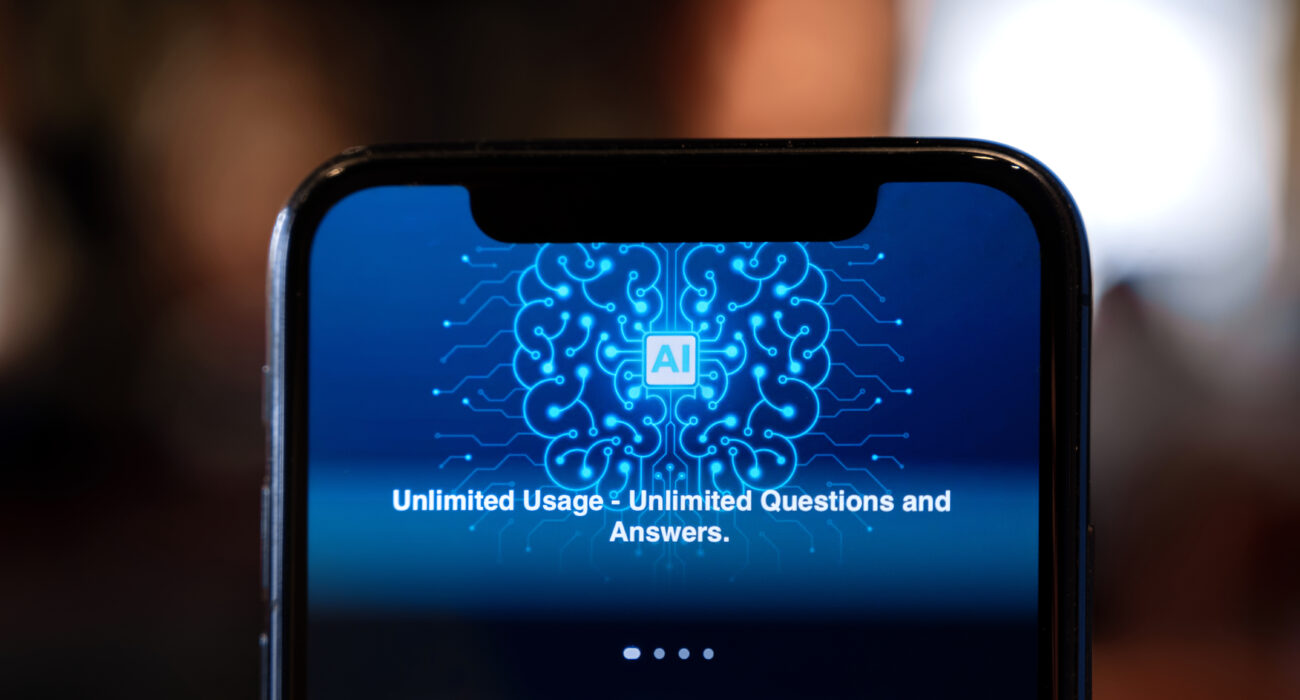
Artificial Intelligence (AI) and Machine Learning (ML) have become central to the evolution of mobile applications in recent years. As technology continues to advance, mobile apps are increasingly using AI and ML to provide users with more personalized, responsive, and intelligent experiences. These technologies are not just enhancing existing features but driving entirely new categories of mobile applications, reshaping industries and business models along the way. In 2025, the role of AI and ML in mobile app development is expected to grow exponentially. As businesses and developers look to stay competitive, integrating these technologies into mobile apps is no longer optional—it is a necessity. This blog explores how AI and ML are shaping the future of mobile app innovation, with a focus on their impact, benefits, and potential challenges.

Personalized User Experiences

One of the most significant contributions of AI and ML to mobile app development is the ability to deliver highly personalized user experiences. In today’s competitive market, users expect apps that understand their preferences and can adapt to their individual needs. AI and ML algorithms enable apps to gather and analyze user data in real-time, offering tailored recommendations, content, and services that enhance user engagement. For instance, in e-commerce apps, machine learning algorithms track a user’s shopping habits, browsing history, and preferences to suggest products that are likely to interest them. The more the user interacts with the app, the better the app becomes at predicting future preferences and providing a personalized experience. Similarly, in streaming services like Netflix or Spotify, AI-based recommendation engines suggest movies, music, or shows based on the user’s previous behavior, ensuring that content is relevant and engaging. Beyond recommendations, AI also allows mobile apps to learn from user behavior, continuously refining their interfaces, features, and interactions. For example, an AI-driven navigation app can adapt its routes based on a user’s driving habits or traffic patterns, making it more efficient over time.

Smart Automation

Another way AI and ML are driving innovation in mobile apps is through automation. From automating routine tasks to providing smart assistants, AI is transforming the way users interact with their mobile apps. This includes virtual assistants like Siri, Google Assistant, and Alexa, which are powered by AI to answer questions, perform tasks, and provide recommendations based on voice commands. In mobile productivity apps, AI-powered automation helps users streamline their workflows. For example, in project management apps, AI can assign tasks, send reminders, and predict project timelines based on historical data. Similarly, in customer relationship management (CRM) systems, machine learning can analyze customer interactions to predict the best time for follow-ups or to automatically sort inquiries based on urgency and relevance. This shift towards automation not only improves user experience but also boosts productivity and efficiency. Apps that leverage AI for automation reduce the manual effort required from users, allowing them to focus on more meaningful tasks.

Enhanced Security Features

Security is a growing concern in the mobile app industry, especially as apps collect vast amounts of personal and sensitive data. AI and ML are playing a crucial role in strengthening the security features of mobile applications. These technologies can detect and respond to security threats in real-time, enhancing the protection of user data. For example, AI algorithms are used in biometric authentication systems, such as facial recognition or fingerprint scanning, to ensure secure access to apps. Machine learning can also help identify unusual patterns of behavior or fraudulent activity by analyzing user data in real-time, alerting administrators to potential security breaches. Moreover, AI can help in cybersecurity by predicting potential threats based on historical data. By continuously learning from new security data, AI can adapt and evolve, making it harder for cybercriminals to breach systems. In banking apps, for instance, machine learning algorithms can identify unusual transactions and flag them for further investigation, reducing the likelihood of fraud.

Improving User Support with AI Chatbots

Another area where AI and ML are making a significant impact is in mobile app customer support. AI-powered chatbots are becoming an essential feature of mobile apps, providing instant support to users, improving response times, and reducing the need for human intervention. These chatbots are capable of handling a wide range of tasks, from answering frequently asked questions to troubleshooting technical issues. Machine learning enables these chatbots to improve over time by analyzing past interactions and learning from user feedback. As they encounter more complex queries, they become more adept at understanding user intent and providing accurate solutions. In some cases, AI chatbots can even escalate issues to human agents when necessary, ensuring that users receive the assistance they need quickly and effectively. AI-powered chatbots not only improve customer service but also help businesses reduce operational costs. With chatbots handling routine queries, human support staff can focus on more complex or critical issues, improving overall productivity.

Voice and Image Recognition Capabilities

AI and ML are also driving innovation in mobile apps through advancements in voice and image recognition technologies. Voice recognition, powered by AI, enables users to interact with apps using natural language, making it easier and more intuitive to use mobile devices. Voice-controlled mobile apps are increasingly popular in virtual assistants, navigation systems, and even smart home applications. Similarly, machine learning is enhancing image recognition, enabling apps to identify objects, scenes, and even faces within images. For example, in photography apps, machine learning algorithms automatically optimize images by adjusting lighting, color, and contrast. In healthcare, image recognition technology can analyze medical images to assist doctors in diagnosing conditions such as cancer or other diseases. In social media apps, AI can help with facial recognition, tagging, and filtering content, improving the user experience. As both voice and image recognition continue to improve, they will play a larger role in how mobile apps interact with users, making them more intuitive and accessible.

The Impact on App Development Process

AI and ML are also transforming the mobile app development process itself. Developers are leveraging AI to streamline development workflows, automate testing, and optimize app performance. AI-powered tools can detect bugs or issues in the code, making the development process more efficient and reducing the likelihood of errors. Machine learning is also being used to analyze app performance data, helping developers make data-driven decisions about how to optimize features and functionality. For example, ML algorithms can analyze user feedback and behavior patterns to identify areas for improvement or new features that might enhance the app’s usability. Moreover, AI and ML are reducing the time it takes to build and deploy mobile apps. With the help of AI-powered tools, developers can focus on more complex and creative aspects of app development, while machine learning handles repetitive tasks such as data collection, analysis, and testing.

Challenges and Ethical Considerations

While AI and ML offer immense benefits to mobile app development, they also come with challenges. One of the main concerns is data privacy. As AI and ML rely heavily on user data to make predictions and personalize experiences, it is essential for developers to ensure that they are handling user data responsibly and in compliance with privacy regulations such as GDPR and CCPA. Another challenge is the risk of bias in machine learning algorithms. If AI models are trained on biased data, they can produce skewed or unfair results. To mitigate this, developers must be mindful of the data they use to train AI models and ensure that these models are tested for fairness and accuracy.

Conclusion

AI and ML are driving a new era of mobile app innovation, offering personalized experiences, improving automation, enhancing security, and transforming customer support. These technologies are not just augmenting traditional app features; they are enabling entirely new categories of mobile applications. As AI and ML continue to evolve, the potential for mobile apps to become smarter, more efficient, and more intuitive will only increase. However, developers must navigate challenges related to data privacy and algorithmic bias to fully realize the potential of these technologies. In the coming years, AI and ML will undoubtedly remain central to the mobile app development landscape, shaping how businesses engage with users and deliver value.

Leave A Comment

All fields marked with an asterisk (*) are required